
Codes and permits
Wildfire Codes on the Front Range in 2026: Which Cities Adopted What
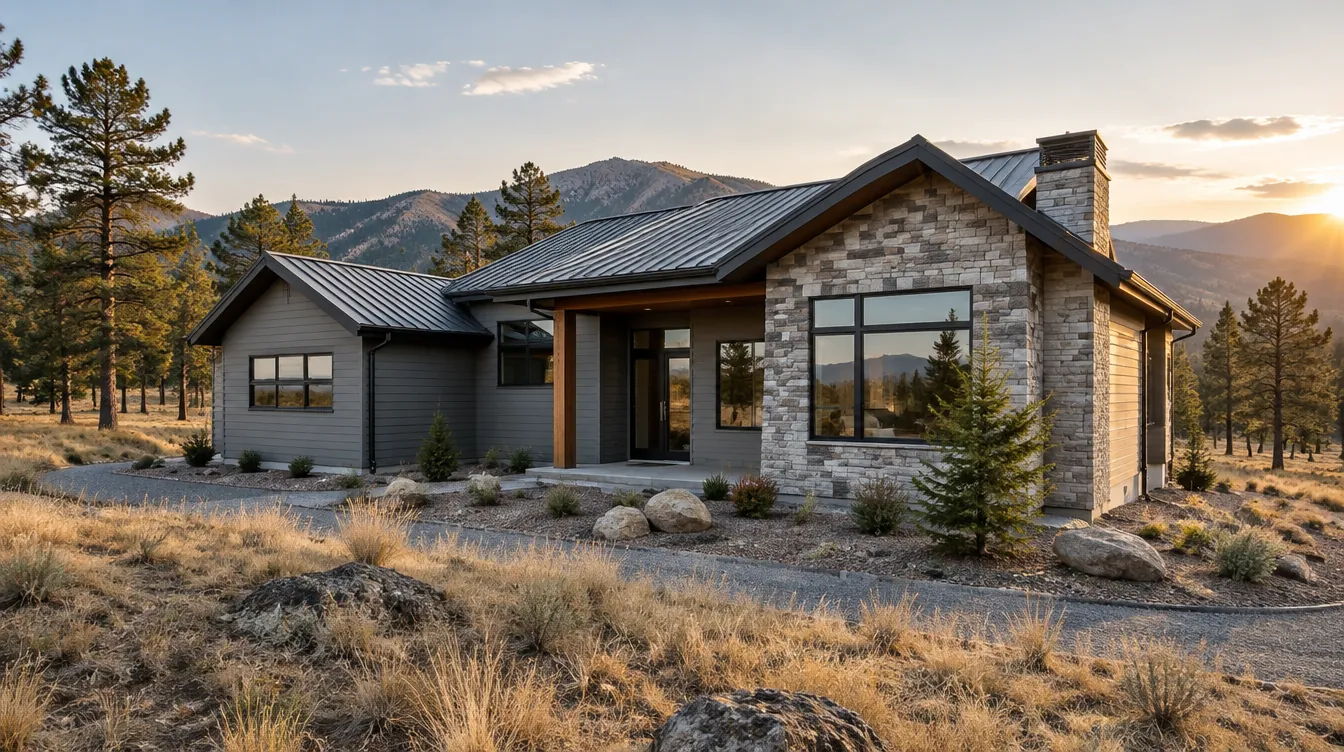
Wildfire rules now reach well beyond the foothills. In 2026 a string of Front Range cities and counties began enforcing wildfire construction codes, and they did not all choose the same one. Some adopted the 2025 Colorado Wildfire Resiliency Code, some use the International Wildland-Urban Interface Code, and a few wrote codes of their own. Which one applies depends on the parcel, and inside each city it usually depends on whether the property sits in a mapped wildland-urban interface (WUI) area.
This is a reference list of what each jurisdiction we build in has published, grouped by the kind of rule. Confirm the current version with the building or fire department before design, because several of these took effect only months ago.
Cities and counties using the Colorado Wildfire Resiliency Code
- Castle Rock adopted the 2025 Colorado Wildfire Resiliency Code, effective July 1, 2026.
- Parker adopted the 2025 Colorado Wildfire Resiliency Code with its 2024 codes, in effect as of June 30, 2026.
- Centennial adopted the 2025 Colorado Wildfire Resiliency Code.
- Douglas County included the Colorado Wildfire Resiliency Code in its code changes effective July 1, 2026, and posts a Douglas County Wildfire Resiliency Code. That covers unincorporated areas such as Highlands Ranch.
- Windsor: the 2025 Colorado Wildfire Resiliency Code takes effect July 1, 2026.
- Fort Collins lists the 2025 Colorado Wildfire Resiliency Code among its adopted codes.
- Longmont adopted the 2025 Colorado Wildfire Resiliency Code with its 2024 codes as of July 1, 2026.
Douglas County gives a reason that applies across the south metro area. It calls wildfire the most prominent natural disaster in the county and notes that even planned suburban communities such as Castle Rock, Parker, Highlands Ranch and Lone Tree have larger lots with significant contiguous vegetation close to homes.
Cities using the International Wildland-Urban Interface Code
- Boulder first adopted the International Wildland Urban Interface Code in 2014. It adopted the 2024 edition with local amendments for building permits in its WUI Area as of August 1, 2025. The code sets three classes of ignition-resistant construction based on fire hazard severity, applies to the permitted scope of work, and requires new fence and gate sections within 8 feet of a structure in the WUI Area to be noncombustible.
- Littleton adopted the 2024 International Wildland-Urban Interface Code.
Cities with codes of their own
- Golden adopted the Golden Wildfire Resiliency Code (Ordinance 2290), enforced from June 10, 2026. It applies to new construction, significant additions, repairs and remodels on properties in the WUI areas shown on the Official Golden Wildfire Map, with Class I and Class II hardening standards.
- Arvada adopted the Arvada Wildfire Resiliency Code, based on the state code and the city's first wildfire code, effective July 1, 2026. It adds structural hardening and defensible space requirements for certain structures in WUI areas. It mainly affects new construction, with some exterior and maintenance requirements for existing structures in identified risk areas.
- Louisville has its own Fire Hardening Code, effective December 10, 2024, updated March 4, 2025 and amended by an emergency ordinance on January 21, 2026. It requires fire-resistant building materials and construction methods.
- Colorado Springs requires wildfire mitigation for new construction in its Wildland Urban Interface. The requirements are in Appendix K of City Ordinance 26-18 and the city's Ignition Resistant Construction Design Manual, and the city publishes a Wildfire Risk Map for address lookup. WUI requirements are reviewed and approved by the fire code official.
What these codes change in a building
The details differ by code and by hazard class, so the adopted code and the city's map decide the specifics. In general terms, wildfire codes govern the parts of a building that embers and radiant heat reach first: roof coverings, vents, eaves and soffits, exterior wall materials, windows, decks, and attachments such as fences. Several also address defensible space around the structure. Because these choices sit in the exterior envelope, they are design decisions, not inspection details. Changing siding, windows or decking after drawings are priced is where wildfire compliance gets expensive.
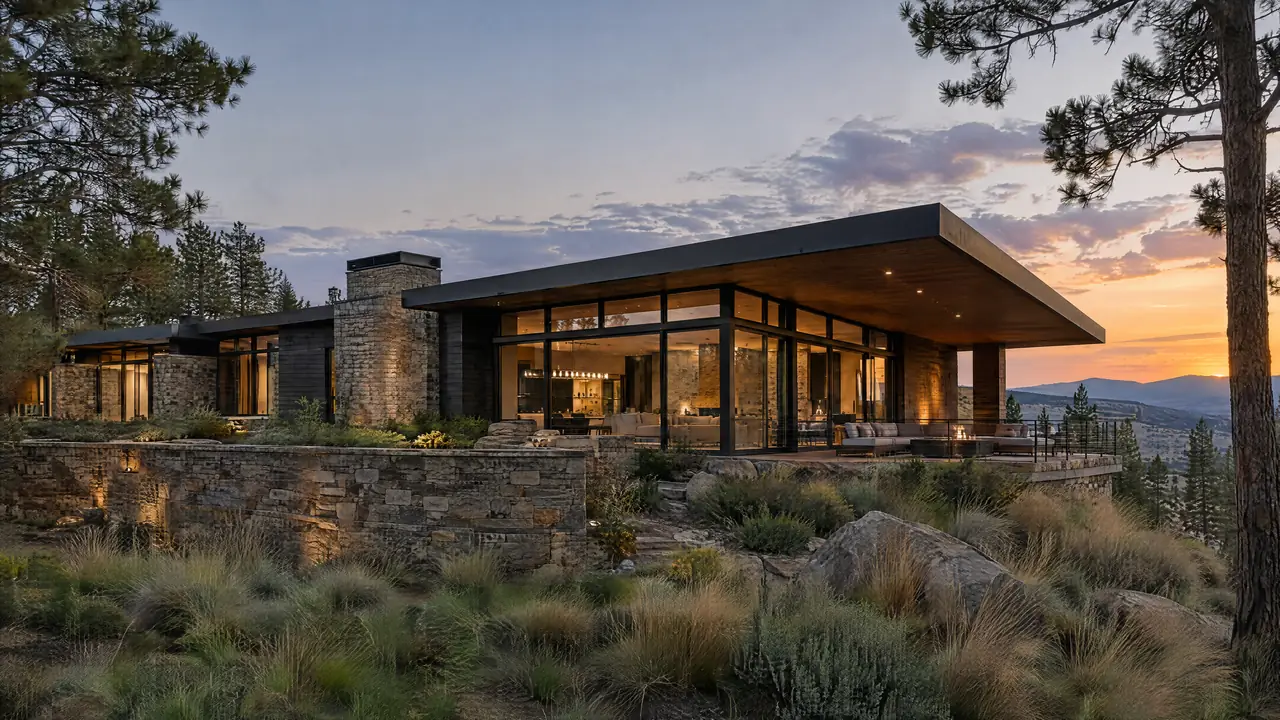
On custom homes near open space, the hardening class can also shape the look of the house: the material palette, the depth of overhangs and the detailing of decks. We confirm the class with the city before the architect commits to exterior materials.
A checklist for owners near open space
- Confirm the jurisdiction from the parcel record, then find out which wildfire code it uses.
- Check the parcel against the city's wildfire or WUI map and note the class or hazard level it shows.
- Ask whether the scope of your project, such as a remodel, addition or re-roof, triggers the code. Golden's applies to significant additions, repairs and remodels; Boulder's applies to the permitted scope of work.
- Choose exterior materials (roofing, siding, windows, vents, decking) against the code before pricing them.
- Find out who reviews it. In Colorado Springs the fire code official approves WUI requirements; elsewhere, ask whether the building department, the fire department or both review the wildfire items.
- Plan fences, gates and landscaping next to the house as part of the project, not after it. Boulder's noncombustible fence rule within 8 feet is one example.
City guides
Our city pages cover each jurisdiction's codes in more detail, including Golden, Castle Rock and Boulder. If you are planning a home or addition near open space, send the address through our consultation request and we will confirm which wildfire code and hazard class apply before design begins.
Request a consultation to talk through a project on the Front Range.
More from the blog
 Snow Loads Along the Front Range: Why Your Roof Is Designed for Your AddressPublished ground snow loads from Colorado Springs to Fort Collins, from 30 to 69 psf, and what a higher number changes in roof framing and beams.
 Expansive Soils on the Front Range: What a Soils Report Tells YouFront Range ground can swell. A section-by-section guide to the geotechnical soils report: borings, swell tests, foundations, slabs and drainage.